Choosing between a townhome and a house in San Rafael is not just about square footage. It is about how you want to live, how much maintenance you want to take on, and what kind of flexibility matters most to you over time. If you are weighing both options, understanding how San Rafael’s housing stock and ownership structures work can help you make a more confident choice. Let’s dive in.
San Rafael offers both options
San Rafael is not a market made up only of detached houses. City housing data shows 11,280 detached single-family units, 2,051 attached single-family units, 887 duplex or two-to-four-unit homes, and 9,238 multifamily units with five or more units. Detached single-family residences are still the predominant housing type, but attached living is a meaningful part of the local market.
That mix gives you real choices. Whether you want a detached home with a yard or an attached home with less exterior upkeep, you can find both in San Rafael. The right fit usually comes down to ownership structure, daily lifestyle, and long-term goals.
Start with ownership, not appearance
One of the biggest surprises for buyers is that a home’s look does not always match its legal structure. In California, the Department of Real Estate says subdivision types are defined by law, not by architectural style. That means a property that looks like a townhome may legally be a condominium or a planned development.
This matters because ownership affects what you control and what the association may manage. In a common interest development, you may own the unit or lot while also sharing rights and responsibilities tied to common areas. Before you fall in love with the exterior, it is smart to review the deed restrictions, HOA documents, and project structure.
How a house usually feels different
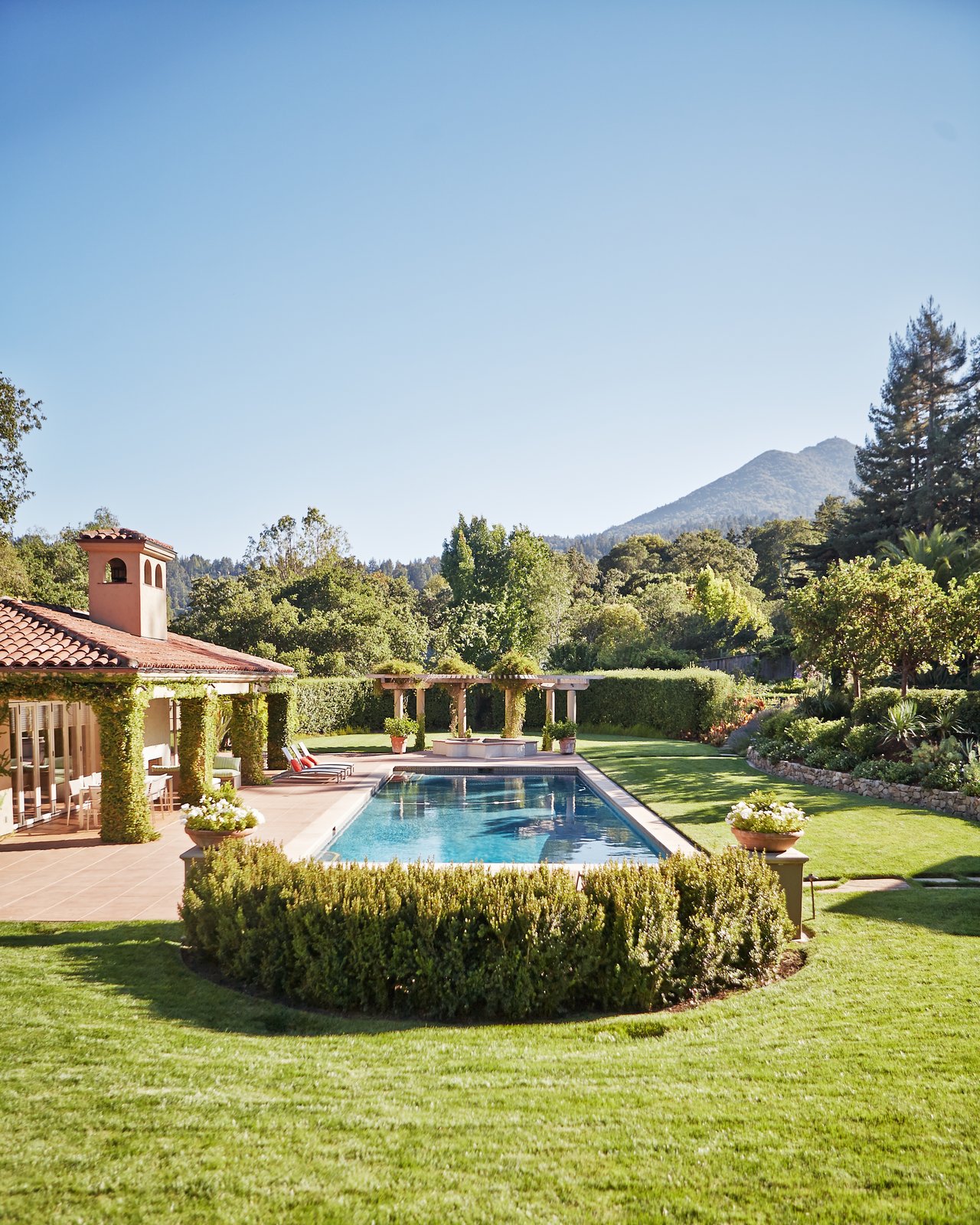
A house in San Rafael often means a detached home on its own lot with front, side, and rear yards in a single-family district. For many buyers, that setup offers more privacy, more separation from neighbors, and more direct control over the property. You are usually deciding how to use your outdoor space without the same layer of association rules that often comes with attached homes.
That extra control can also mean extra responsibility. Yard care, exterior maintenance, and long-term upkeep often fall more heavily on you. If you like having room to spread out and want more say over future changes, that tradeoff may feel well worth it.
How a townhome usually feels different
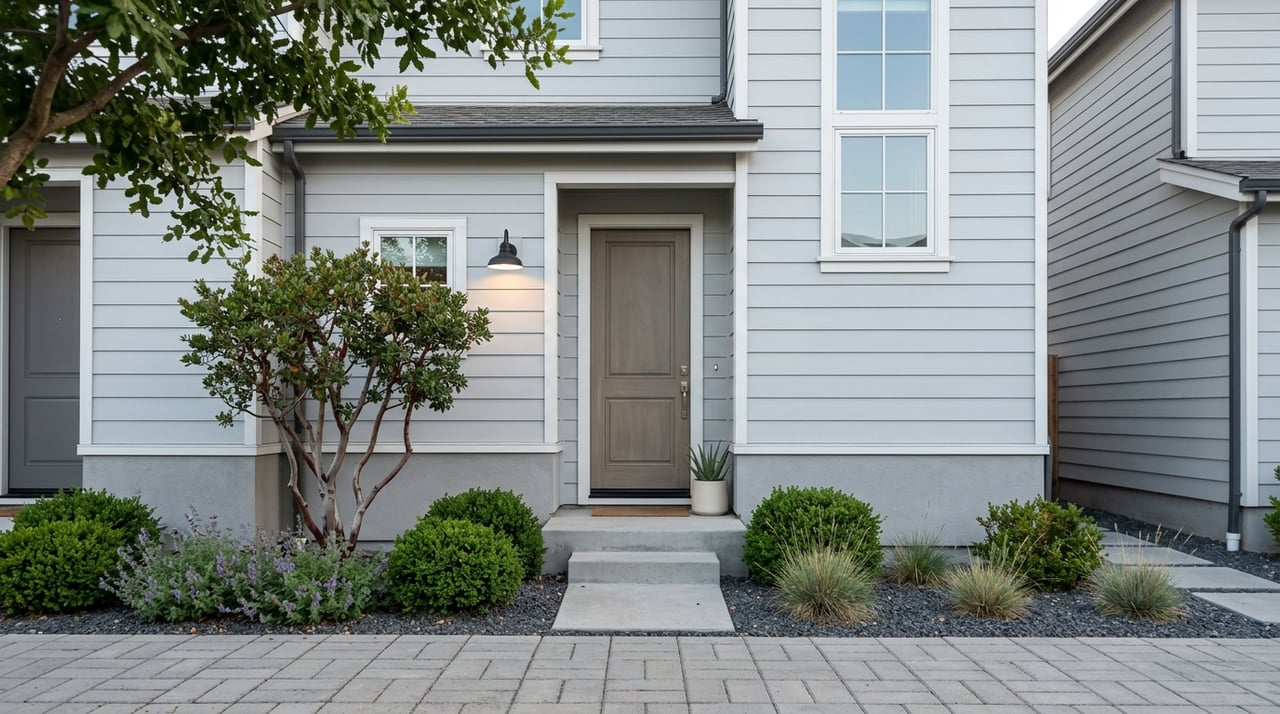
A townhome often appeals to buyers who want convenience and a smaller maintenance burden. In San Rafael, attached homes are more likely to be part of a common interest development with HOA membership, CC&Rs, regular assessments, and board-governed rules. Those assessments generally fund day-to-day operations and reserve accounts, and special assessments may be used for larger repairs or unexpected costs.
That does not mean a townhome lacks outdoor living. In planned developments and condominiums, common areas can include exclusive-use spaces such as private yard areas, patios, driveways, or parking spaces. So while a townhome may sit on less land than a detached house, it can still offer functional outdoor space that works well for your lifestyle.
Where houses and townhomes tend to cluster
In San Rafael, detached homes align most closely with the city’s single-family zoning districts. Since detached single-family homes remain the dominant housing type, you will see them across much of the city’s established residential fabric. If your priority is a more traditional house-on-a-lot setup, those areas are often where your search begins.
Attached housing is more visible in higher-density planning and redevelopment areas. Downtown San Rafael is the city’s commercial, employment, and transit center, and the Downtown Precise Plan identifies opportunities for more than 2,000 new housing units. The city has also prepared station-area plans for the SMART station areas in Downtown San Rafael and North San Rafael / Marin Civic Center, which helps explain why attached and mixed-use housing tend to cluster near transit.
Northgate is another area to watch. The Northgate Town Square project was approved in 2024 as a mixed-use redevelopment with up to 1,422 residences, including high-density multifamily residential buildings in the form of townhome units and apartment buildings. If you are drawn to newer attached-home options, this is the kind of local development that shapes the market.
The Canal area also reflects San Rafael’s more urbanized housing fabric. The city describes it as one of the most densely populated residential areas in Marin County, with active transportation, lighting, parking, and pedestrian improvement projects. In areas like the Canal and nearby Spinnaker Point and Baypoint, attached homes and smaller-footprint living often make practical sense.
San Rafael also includes mixed-product developments that blur a simple either-or choice. The Dominican Residential Development, for example, includes 27 single-family homes, 17 townhomes with attached JADUs, and 6 duplex units on one site. That is a useful reminder that in San Rafael, houses and attached homes often exist side by side within the same broader neighborhood setting.
Why future flexibility matters
If you are thinking beyond your immediate move, a detached house may offer more flexibility. San Rafael’s ADU rules allow an ADU to be attached to, detached from, or contained within a single-family or multi-family development. A JADU is allowed only within a single-family residence.
For buyers who want future options, that can be a major advantage. You may be thinking about guest space, a home office, or room for changing household needs down the road. The city also states that CC&Rs that effectively prohibit or unreasonably restrict ADUs or JADUs on single-family residential lots are void and unenforceable, which makes detached homes especially worth a closer look if flexibility is high on your list.
What to review before buying a townhome
If you are considering a townhome, the paperwork matters as much as the floor plan. The most important documents to review include the HOA budget, reserve funding, CC&Rs, project rules, and any history of special assessments. These documents help you understand both your monthly costs and how the community handles maintenance and repairs.
You should also confirm what the HOA maintains. Depending on the development, common areas may include shared streets, recreation facilities, and other improvements, while exclusive-use areas may include patios, driveways, or parking spaces. Knowing where your responsibility starts and ends can help you compare one listing to another more clearly.
If the home is newly built or newly converted, ask for the public report before signing. The California Department of Real Estate says prospective buyers should receive this disclosure document before purchase, and it covers title matters, assessments, HOA information, and other project details. That is especially important in San Rafael, where some attached-home opportunities are tied to redevelopment and infill projects.
What to review before buying a house
When you are comparing houses, the key questions are often simpler but no less important. Look closely at lot size, privacy, yard usability, and how much exterior maintenance fits your lifestyle. In San Rafael, it also makes sense to check whether the property may support an ADU or JADU if future expansion is part of your plan.
You will also want to confirm whether the home sits in a standard single-family district or within a common interest development that comes with additional rules. Not every detached-looking home offers the same level of freedom. A careful review early on can prevent surprises later.
Which option often fits your lifestyle
There is no one-size-fits-all answer, but certain patterns show up often in San Rafael. Buyers with busy schedules may prefer a townhome when they want less exterior upkeep and a location closer to downtown or transit-oriented areas. The structure of HOA-managed living can make day-to-day ownership feel simpler.
If yard space, privacy, and future flexibility are higher priorities, a detached house may fit better. San Rafael’s single-family districts and ADU rules make houses especially appealing for buyers who want room to adapt over time. That can matter whether you are planning ahead for guests, work-from-home needs, or long-term lifestyle changes.
Downsizers often land somewhere in the middle. A townhome can reduce maintenance and simplify ownership, while a smaller detached house can still offer privacy, guest space, and room to grow if you want it. In many cases, the best choice is the one that supports your next chapter without adding stress you do not want.
A practical way to decide
If you are stuck between the two, try ranking your priorities before you tour too many homes. Ask yourself whether you value privacy over convenience, flexibility over simplicity, or lower exterior maintenance over direct control of the property. The clearer you are about your daily routine and long-term plans, the easier it becomes to spot the right fit.
In San Rafael, both choices can work beautifully. The real key is understanding what you are buying, how the property is structured, and how that structure supports the life you want to build here.
If you want help comparing homes in San Rafael with a calm, local perspective, Kristen Palmer can help you weigh the details that matter most and find the right fit for your next move.
FAQs
What is the main difference between a townhome and a house in San Rafael?
- In San Rafael, the biggest difference is often ownership structure and maintenance responsibility, not just the way the home looks from the outside.
Are townhomes common in the San Rafael housing market?
- Yes. City housing data shows San Rafael includes attached single-family homes, duplex-style housing, and a large number of multifamily units in addition to detached houses.
Can a San Rafael townhome have private outdoor space?
- Yes. In some planned developments or condominium projects, exclusive-use areas may include private yard areas, patios, driveways, or parking spaces.
Do San Rafael townhomes usually have HOA fees?
- Many attached homes in common interest developments do include HOA membership, regular assessments, CC&Rs, and board-governed rules.
Why do ADUs matter when choosing a San Rafael house?
- ADUs can add flexibility for future use, and San Rafael allows ADUs in several forms while limiting JADUs to single-family residences.
What documents should you review before buying a San Rafael townhome?
- You should closely review the HOA budget, reserve funding, CC&Rs, rules, any history of special assessments, and the public report for new-construction or newly converted projects.