Bay on your doorstep or skyline views from your terrace? In Tiburon, you often choose between two exceptional lifestyles that sit just minutes apart. You want the right daily rhythm, not just the right house. In this guide, you’ll compare waterfront and hillside living across views, weather, walkability, hazards, and ownership costs so you can match your priorities. Let’s dive in.
What counts as waterfront or hillside
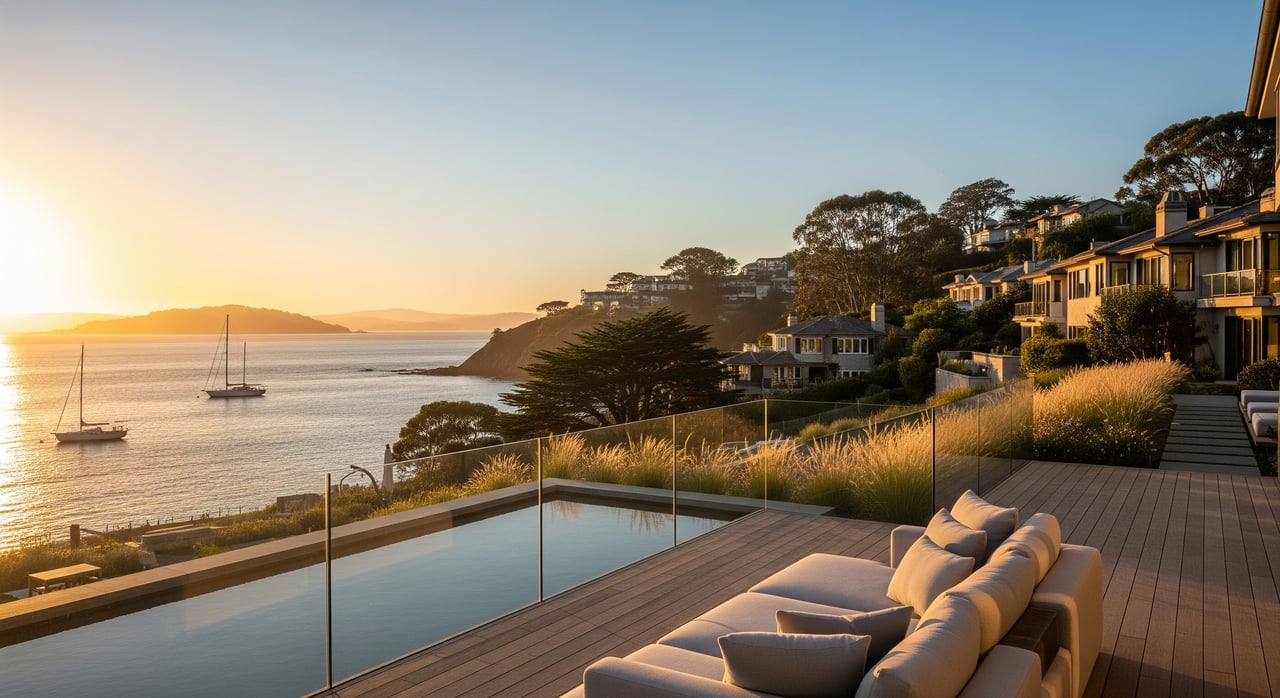
Waterfront in Tiburon includes homes with direct bay frontage or an immediate connection to Richardson Bay, San Francisco Bay, or small coves. Think Old Town shoreline, areas near marinas and parks, and select stretches with docks or slips where allowed.
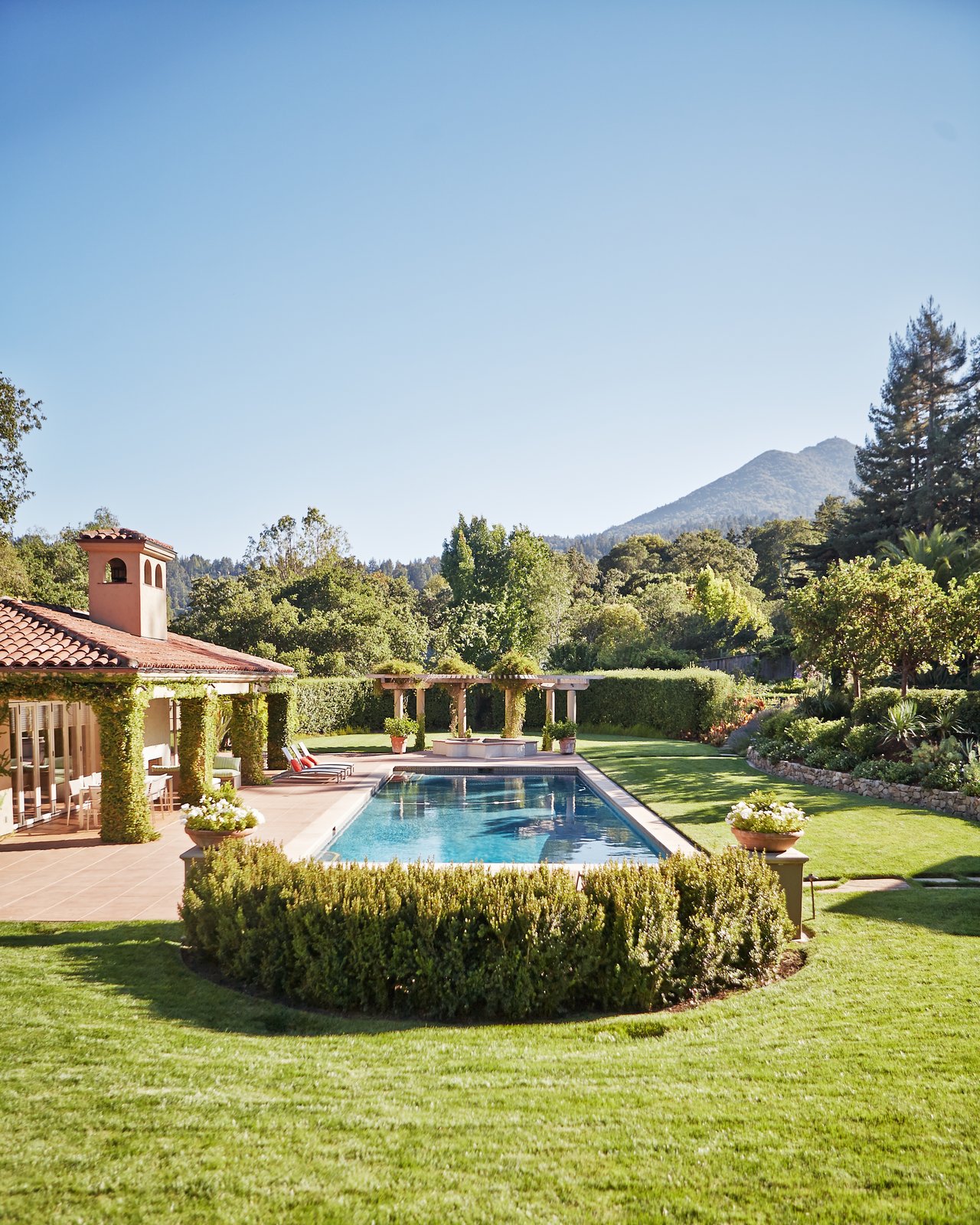
Hillside homes climb Tiburon’s ridges and knolls. Many sit above the shoreline with panoramic views toward Angel Island, the San Francisco skyline, or the Marin headlands. Yards are often terraced, and you’ll notice longer streets and more separation from the town center.
Most properties fall along a spectrum. A hillside home can have sweeping water views, and a lower-elevation property can feel tucked above the shoreline. Keep that in mind as you weigh tradeoffs.
Views and privacy
Waterfront gives you intimate, water-level scenery. You watch boats, kayaks, and ferries glide past on a low horizon. The view feels close and active. Privacy can be mixed, since neighbors along the water may be at similar elevations.
Hillside living often delivers broader, long-range vistas. Upper slopes can frame the San Francisco skyline, the Golden Gate’s approach, or sunrise over Angel Island. Elevation adds visual privacy and distance from street activity, though new infill or tree growth can change view corridors over time.
Microclimate and weather
Tiburon’s short distances create big weather differences. Near the water, you feel cooler marine air and more breeze, especially on summer afternoons and evenings. Fog can hug the shoreline when the marine layer pushes inland.
On south or east-facing hillsides, you often get more sun and warmth. Many ridge and upper-slope homes enjoy longer daylight and less fog, even if they pick up wind at exposed points. If you want year-round outdoor living or a productive garden, prioritize sun exposure and aspect on hillside parcels. If you love the marine atmosphere, expect cooler, breezier conditions by the shore.
Architecture and upkeep
Waterfront architecture ranges from historic Old Town cottages to mid-century condos and modern custom estates. Lots along the shoreline can be narrower or shallower, and some include seawalls, shore stabilization, or docks. Maintenance often focuses on corrosion-resistant materials, dock or slip upkeep, and careful attention to moisture and salt air.
Hillside homes are usually custom builds that follow the slope with split levels, retaining walls, and longer driveways. You can often build larger homes with the right permits, but site preparation, grading, and drainage add complexity. Routine care includes checking retaining walls, managing runoff, and keeping access points in good condition.
Walkability and daily life
If walk-to-everything living matters, waterfront areas near Downtown and Old Town shine. You can stroll to restaurants, cafes, the ferry terminal, parks, and marinas. The social energy is close at hand and easy to access on foot.
Hillside neighborhoods are quieter and less walkable to shops. Streets can be steeper with fewer sidewalks, so you’ll likely drive for errands. The tradeoff is privacy, space, and a serene feel at home.
Commute and getting around
Tiburon offers both road access to the Golden Gate Bridge and passenger ferry service. Waterfront neighborhoods shorten the first and last mile to the ferry, marinas, and shoreline paths. From the hills, plan a few extra minutes to reach parking or the terminal. If water transit and weekend boating are priorities, that proximity can be a deciding factor.
Recreation and access
Waterfront living gives you immediate access to kayaking, boating, fishing, shoreline promenades, and neighborhood parks. Boat slips and moorings are scarce and valuable, so factor waitlists or marina fees into your planning.
Hillside living puts trailheads and ridge viewpoints within easy reach. You gain private outdoor spaces for gardening, terraces, and low-key entertaining. If you want both, look for hillside homes near open space or lower-slope properties close to parks and paths.
Hazards and permitting
Waterfront properties face higher exposure to coastal flooding, king tides, and long-term sea-level rise. You can review potential exposure using the NOAA Sea Level Rise Viewer and confirm flood zone status through FEMA Flood Insurance Rate Maps. Shoreline work, including docks and seawalls, is regulated by the Bay Conservation and Development Commission and often requires multi-agency review.
- Explore localized sea-level scenarios with the NOAA Sea Level Rise Viewer.
- Check property flood zones on the FEMA Flood Map Service Center.
- Review shoreline permitting frameworks on the Bay Conservation and Development Commission website.
Hillside homes trade flood exposure for slope and wildfire considerations. Steep terrain can bring landslide or erosion concerns, and Marin’s wildland-urban interface means defensible space and fire-hardening matter. Geotechnical evaluation, grading, and drainage planning are common for hillside projects.
- See planning and building resources via the Marin County Community Development Agency.
- Review geologic hazard mapping at the California Geological Survey.
- Confirm local rules and processes with the Town of Tiburon’s planning pages.
Insurance needs vary. Waterfront buyers often explore flood insurance and specialized coverage. Hillside owners may add wildfire endorsements or policies attentive to slope-related risks.
- Read FEMA guidance on flood insurance options.
Price patterns and market behavior
Both settings sit within a high-value Marin market. Direct waterfront tends to command a meaningful premium due to scarcity, water access, and unobstructed vistas. The exact premium depends on location, frontage, dock access, and exposure.
Hillside homes also sell at strong prices, often offering more interior space or land for the money when compared to direct waterfront. In slower markets, ultra-unique waterfront listings can be more volatile, but long-term appreciation is supported by limited supply. Appraisals on standout bayfront properties may require specialty analysis and larger down payments, given fewer comparable sales.
Budget beyond the purchase price
Plan for lifestyle-driven maintenance and insurance. On the water, budget for seawall and dock upkeep and materials that resist corrosion. On the hill, plan for ongoing drainage work, retaining wall care, and vegetation management for fire safety. Factor in flood or wildfire coverage and any association or marina fees tied to boat storage.
If you’re considering renovations, expect longer timelines and added studies. Shoreline work often requires multi-agency approvals. Hillside additions commonly need geotechnical reports, erosion control, and grading permits.
Quick self-assessment
Use these prompts to clarify fit:
- You want a walkable, social scene and instant water access. You enjoy marine breezes, and you are comfortable with dock or flood-related upkeep. Waterfront likely suits you.
- You want privacy, sun, larger interior space, and broad views. You accept short drives for errands and will invest in drainage and fire-hardening. Hillside likely fits you.
- You want both. Target lower-slope homes near the shoreline or hillside properties oriented south or east with quick drives to town.
Due-diligence checklist
Use this as a starting point, then build a property-specific plan with your agent and inspectors.
Waterfront
- Review the age and condition of seawalls, bulkheads, and docks. Confirm permits and repair history.
- Look for salt-related corrosion on HVAC, metalwork, and mechanicals. Check for foundation moisture.
- Confirm FEMA flood zone status and ask for any elevation certificates or recent surveys.
- Clarify boat slip status, whether deeded or leased, and all association or marina rules and fees.
- Get insurance quotes for flood and specialty coverage, and verify lender requirements.
Hillside
- Obtain or review a geotechnical report for slope stability, especially after additions or landscaping.
- Inspect retaining walls, drainage, and grading. Look for settlement or cracking.
- Confirm defensible-space compliance and fire-hardening. Check emergency vehicle access.
- Evaluate driveway gradient, turnaround, and utility access.
For both settings
- Verify property lines, topography, and easements, including any viewshed restrictions.
- Ask about local historic or conservation overlays that may affect renovations.
- Confirm permitting pathways and anticipated timelines before you budget major changes.
How a local team helps
Choosing between waterfront and hillside is about tradeoffs that change street by street. A local, relationship-driven team can help you model microclimate, access, and long-term maintenance before you write an offer. The Brannan Palmer Group pairs calm, honest counsel with hands-on coordination, so you move forward with clarity. When you are ready to talk specifics, connect with Kristen Palmer for a thoughtful, no-pressure conversation about your next move.
FAQs
How much more do Tiburon waterfront homes cost?
- Waterfront usually commands a meaningful premium due to scarcity, frontage, dock access, and view quality. Premiums vary by parcel, so compare current local comps.
Are Tiburon waterfront homes risky because of sea-level rise?
- Waterfront properties face elevated exposure to flooding and sea-level impacts. Assess specific risk using the NOAA Sea Level Rise Viewer and FEMA flood maps, then review local resilience plans.
Are hillside homes safer from flooding but riskier for landslides?
- Yes. Higher elevation reduces coastal flood exposure, but steep slopes can add landslide and erosion concerns, and wildfire risk is relevant. A geotechnical review helps quantify site stability.
Which setting is better for commuting to San Francisco?
- Homes close to the downtown ferry terminal simplify water commuting and weekend boating. Hillside locations often add a short drive to ferry parking or to Highway 101 access.
How does walkability differ in Tiburon’s neighborhoods?
- Downtown and nearby shoreline areas are the most walkable to dining, parks, and the ferry. Hillside streets are quieter and less walkable, so most residents drive for errands.
What should I budget beyond the purchase price?
- Include maintenance for seawalls and docks on the water, or retaining walls and drainage on the hill. Add insurance line items like flood or wildfire coverage and any marina or association fees.